The Technology Expiration Problem: Why Aging Infrastructure Is a Business Risk
Why Aging Infrastructure Has Become a Business Risk, Not Just an IT Issue
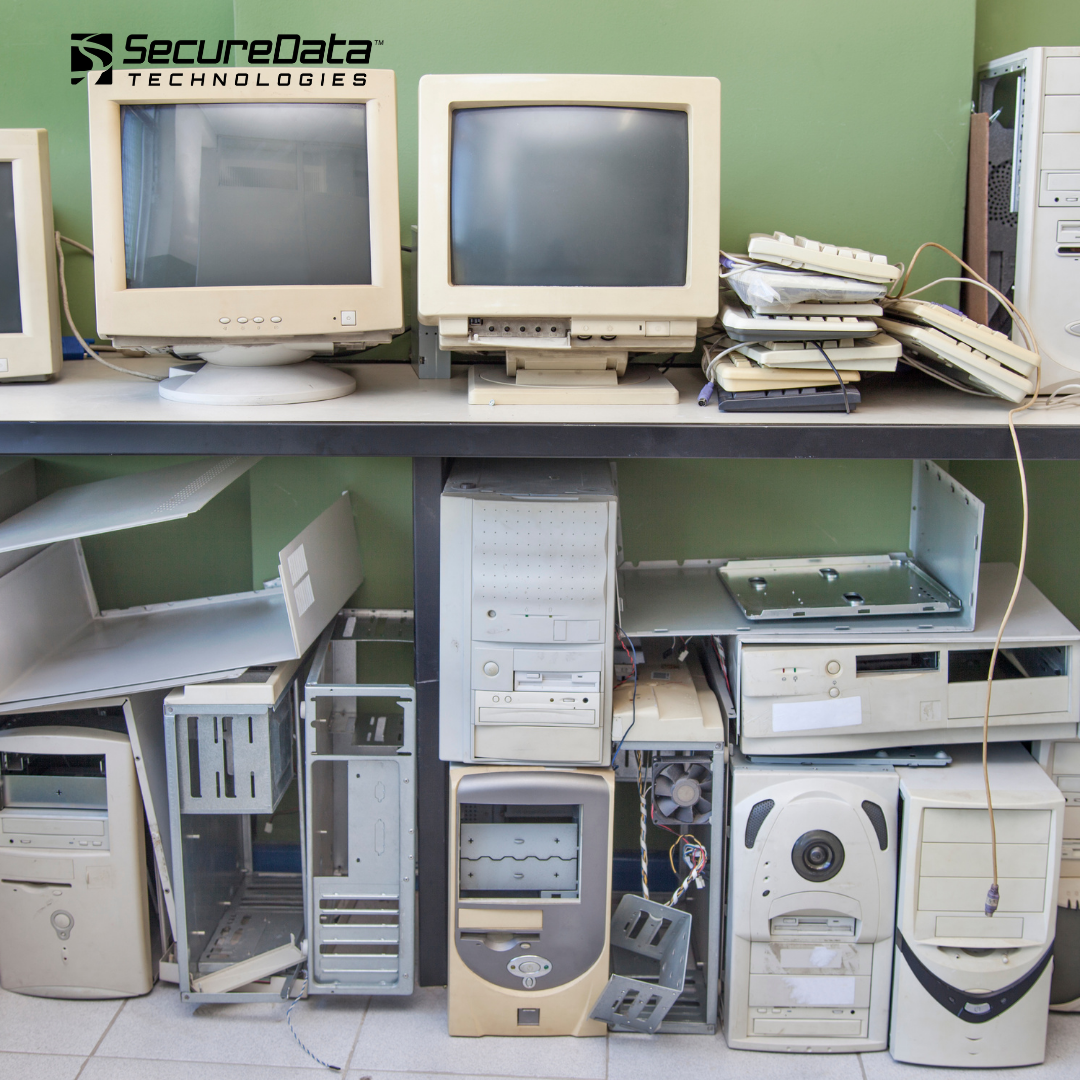
Technology rarely fails without warning. More often, it simply expires.
Every year, technology manufacturers announce End of Life (EOL), End of Support (EOS), and Last Day of Service (LDOS) dates for operating systems, servers, networking equipment, security platforms, and business applications. While these milestones may sound like technical events, their impact reaches far beyond the IT department.
Today, technology expiration has become an executive-level business risk.
When critical systems are no longer supported, organizations face increased cybersecurity exposure, operational disruption, compliance concerns, and unexpected financial costs. Yet many businesses continue to view technology lifecycle management as an IT responsibility rather than a strategic business initiative.
The organizations that thrive in the coming decade will understand a simple truth:
Technology that is no longer supported becomes technology that can no longer be trusted.
Why Technology Expiration Matters to the C-Suite
For many organizations, aging infrastructure remains invisible until something goes wrong.
- A server continues running.
- A firewall still processes traffic.
- An application still launches.
Everything appears fine until a security vulnerability is discovered, a critical component fails, or a vendor refuses support because the product is no longer covered.
What was once viewed as a technology issue suddenly becomes a business issue.
Cybersecurity Risk
Cybercriminals actively target known vulnerabilities in unsupported systems. Once a product reaches End of Support, security patches stop arriving while attackers continue identifying new ways to exploit weaknesses.
Organizations often invest heavily in cybersecurity tools while unknowingly maintaining unsupported infrastructure underneath them. The result is a growing gap between perceived security and actual security.
Operational Risk
Business operations depend on technology more than ever before.
Whether it’s manufacturing, customer service, logistics, finance, or collaboration, aging infrastructure can create performance issues, outages, and disruptions that directly impact productivity and customer experience.
When unsupported systems fail, business processes fail with them.
Financial Risk
Many organizations delay technology refreshes to control costs. Unfortunately, the savings are often temporary.
Emergency replacement projects, downtime, cybersecurity incidents, compliance penalties, and rising maintenance expenses can quickly exceed the cost of proactive modernization.
The longer organizations wait, the larger (and more expensive) the eventual replacement becomes.
The Hidden Cost of Waiting
One of the biggest misconceptions surrounding technology lifecycle management is the belief that working technology should remain in service indefinitely.
After all, if it isn’t broken, why replace it?
The answer is that technology doesn’t need to fail to create risk.
Consider a company running an unsupported server platform that continues to operate without issue. The system appears stable until a critical vulnerability emerges. No security patch is available because support has ended. At that point, leadership is forced into an emergency decision: accept the risk, accelerate an unplanned replacement project, or face potential operational disruption.
None of those options are ideal.
This scenario plays out every day across organizations of all sizes.
Technology debt accumulates quietly until an event forces action.
A Modernization Mindset
The most successful organizations don’t view End of Life announcements as replacement projects. They view them as transformation opportunities.
Instead of asking:
“How do we replace this server?”
They ask:
“How should this workload operate in our future-state environment?”
That shift in thinking changes everything.
Technology lifecycle events create opportunities to:
- Improve cybersecurity posture
- Increase operational efficiency
- Reduce technical debt
- Accelerate cloud adoption
- Improve business continuity
- Prepare for AI and automation initiatives
In other words, modernization becomes a strategic business initiative rather than a maintenance exercise. Organizations that take this approach often gain far more value than simply replacing old technology with new technology.
Three Questions Every Executive Team Should Ask
Many leadership teams can quickly discuss revenue goals, workforce planning, and growth strategies.
Far fewer can answer these questions:
1. Which critical systems are approaching End of Support?
Without visibility into technology lifecycles, organizations often discover risks too late.
2. What business processes depend on those systems?
Understanding the connection between technology and operations helps prioritize investments based on business impact rather than technical urgency.
3. Do we have a modernization roadmap?
A roadmap transforms technology decisions from reactive purchases into strategic investments that support long-term business objectives.
If these questions cannot be answered confidently, there is likely more technology risk within the organization than leadership realizes.
From Vision to Velocity
Technology expiration is no longer just an IT concern.
It is a cybersecurity concern, a business continuity concern, a governance concern, and increasingly, a competitive advantage concern. Organizations that proactively manage technology lifecycles are better positioned to reduce risk, support innovation, and align technology investments with business goals.
The question is not whether your technology will reach End of Life. It will.
The question is whether your organization will address it through strategic planning, or during a crisis.
How Secure Data Technologies Helps
Secure Data Technologies helps organizations identify technology lifecycle risks before they become business disruptions. Through infrastructure assessments, modernization planning, strategic roadmaps, cybersecurity advisory services, and ongoing vCIO engagement, we help organizations align technology investments with business outcomes.
Because technology transformation isn’t just about what’s next.
It’s about ensuring what exists today doesn’t hold you back tomorrow. Contact us to learn more.